
The dream of owning a home with a sweeping green lawn and lush gardens often collides abruptly with reality. Every weekend, millions of homeowners trade their valuable free time for an endless loop of mowing, edging, weeding, watering, and pruning. Instead of serving as a peaceful sanctuary for relaxation and family gatherings, the yard becomes an aggressive, unyielding item on the weekend to-do list. Furthermore, traditional yards consume significant financial resources through high water bills, synthetic fertilizers, specialized equipment maintenance, and constant plant replacements.
Achieving a beautiful outdoor space does not require sacrificing your Saturdays. By shifting your approach from traditional lawn-centric landscaping to an integrated, low-maintenance design, you can create a gorgeous property that thrives on minimal intervention. Transforming your yard involves strategic planning, swapping high-thirst turf for resilient ground covers, investing in permanent structures, and choosing native flora that naturally adapts to your climate. The goal is not to create a sterile concrete jungle, but rather an intentional, balanced environment that looks curated year-round while freeing up your calendar. Here is your comprehensive guide to designing, building, and enjoying a low-maintenance landscape.
Redesign Your Lawn: Ditch High-Maintenance Turf
Standard turfgrass is easily the most high-maintenance element in any residential landscape. Traditional grasses like Kentucky Bluegrass or Bermuda require frequent watering, weekly mowing throughout the growing season, seasonal fertilizer applications, and persistent chemical treatments to keep invasive weeds at bay. Reducing or completely replacing high-thirst grass is the single most impactful step you can take toward a low-upkeep yard.
Convert High-Thirst Grass to Living Ground Covers
Instead of spending hours pushing a mower, consider converting large swathes of grass to low-growing, spreading ground covers. These plants form dense mats that naturally suppress weeds, retain soil moisture, and rarely require trimming:
- Microclover: A dwarf clover variety that stays short, stays green even during heatwaves, fixes nitrogen in the soil naturally (eliminating the need for fertilizer), and requires mowing only once or twice a year.
- Creeping Thyme: Excellent for sunny spots, this fragrant ground cover produces vibrant summer blooms, handles moderate foot traffic, and grows to a max height of just two to three inches.
- Mondograss or Liriope: Ideal for shady areas where traditional turf thins out and turns to mud, providing a lush, evergreen carpet with virtually zero ongoing care.
Outsource Seasonal Overhauls to Keep Turf Manageable
If you choose to retain a small patch of grass for children or pets, keeping it healthy without losing your weekends requires a smart maintenance strategy. Rather than buying, storing, and repairing expensive power equipment, focus your efforts on basic care and delegate the heavy lifting. Bringing in a professional lawn care company once or twice a year to handle specialized tasks—such as core aeration, dethatching, and targeted overseeding—ensures your remaining grass stays dense and disease-resistant. A thick, healthy lawn naturally prevents weed invasion, drastically reducing the amount of hand-weeding or spot-treating you have to do during the summer months.
Expand Hardscaping: Trade Lawns for Living Spaces
Every square foot of grass or delicate flower bed you convert into hardscaping is a square foot you never have to mow, weed, or water again. Hardscaping creates permanent, highly functional outdoor living spaces that enhance your home’s usable square footage while dramatically dropping overall property maintenance.
Install Durable Stone Features for Zero-Mow Outdoor Rooms
Hardscaping features act as permanent extensions of your home’s interior, providing designated areas for dining, cooking, and gathering around a fire pit. Investing in paver patios creates a level, clean foundation that withstands heavy weather and intense foot traffic without deteriorating. To keep maintenance near zero, choose high-density concrete pavers or natural slate set over a properly compacted gravel base with polymeric sand swept into the joints. Polymeric sand hardens to lock out weed growth and ant infestations between stones, saving you from endless hours with a string trimmer or chemical sprays.
Build Elevated Entertaining Zones With Minimal Upkeep
Elevated outdoor structures are an excellent way to bridge house and garden, particularly on sloping terrain where mowing grass is difficult and dangerous. When designing a deck, material selection is everything:
- Avoid Natural Softwoods: Pressure-treated pine or cedar requires regular pressure washing, sanding, staining, and sealing every one to two years to prevent rot, splintering, and warping.
- Choose Capped Composite or Polymer: Modern composite materials look like real wood but are completely impervious to moisture, wood-boring insects, and UV fading.
- Work with Professionals: Partnering with skilled deck builders allows you to incorporate hidden fastener systems and integrated lighting, leaving you with a sleek structure that only requires an occasional spray with a garden hose to look brand new.
Optimize Trees and Canopy Care for Long-Term Safety
Overhead canopy care is frequently overlooked during low-maintenance property planning, yet mature trees have a massive impact on your weekly outdoor workload. Unkept trees drop constant debris, block sunlight needed by lower plants, and pose significant safety risks during heavy windstorms.
Prune Early to Prevent Storm Damage and Falling Debris
Proactive canopy management prevents constant, tedious cleanups. Removing dead, diseased, or rubbing branches before they break naturally prevents twigs and large limbs from littering your yard after every rainstorm. Thinning out dense tree canopies lets air pass through safely during high winds, reducing the likelihood of catastrophic trunk failures. Relying on professional local tree services to execute structural pruning ensures that cuts are made correctly without damaging the tree’s internal defense mechanisms, keeping the canopy elevated high above lawn mower height and away from rooflines.
Protect Root Systems and Choose Wind-Resistant Native Canopy
A tree’s underground health dictates its above-ground stability. Compacting soil over root zones with heavy vehicles or altering grade levels around mature trunks can cause stress, leading to premature leaf drop, surface root emergence, and structural decay. When evaluating older trees or choosing new ones to plant, consult a certified local arborist. An expert can assess structural integrity, diagnose subtle pest infestations early, and help you select deep-rooting, long-lived native species. Investing in expert tree care early prevents costly structural hazards and keeps your landscape stable and manageable for decades.
Smart Planting: Native Species and Automated Systems
A low-maintenance garden does not mean an absence of plants. It simply means selecting flora that knows how to take care of itself in your specific regional climate without constant human intervention.
Group Flora by Water Needs and Switch to Drip Irrigation
One of the largest time sinks in gardening is hand-watering individual beds or constantly repositioning lawn sprinklers. You can eliminate this completely by applying two core concepts:
- Hydrozoning: Group plants together according to their precise light and water demands. Place drought-tolerant succulents together in sunny spots, and position moisture-loving plants in naturally damp low areas. This stops you from overwatering some plants while underwatering others.
- Automated Drip Irrigation: Unlike overhead sprinklers that waste water through evaporation and promote leaf fungus, drip lines deliver precise amounts of water directly to root zones. Connect your drip system to a smart controller with rain-sensing technology to automate your watering schedule completely based on real-time weather forecasts.
Source Drought-Tolerant Native Perennials
Exotic plants often require delicate soil conditioning, specialized fertilizers, frost protection, and constant pest treatments. Native plants, on the other hand, have spent thousands of years adapting to local weather patterns, native soils, and native insect populations. When shopping for your garden beds, visit a reputable local plant store and ask for perennials native to your hardiness zone. Options like Coneflower, Black-Eyed Susan, Salvia, and various native ornamental grasses establish deep root networks that withstand summer droughts and cold winters without requiring synthetic plant food or winter wrapping.
Upgrade Boundaries and Structures with Low-Maintenance Materials
Vertical structures such as fences, privacy screens, sheds, and exterior walls contribute heavily to the overall visual crispness of your yard. However, traditional materials can quickly become eyesores if they are not scraped, painted, and repaired regularly. Choosing weatherproof materials and durable finishes ensures your property lines and outbuildings stay looking pristine.
Enclose Your Property With Weatherproof Fencing
Fences provide security and privacy, but wooden privacy fences are infamous for rotting at ground level, leaning over time, and losing their color. Upgrading to modern fencing materials solves these long-term headaches:
- Vinyl Fencing: Completely impervious to rot, termites, and moisture, vinyl never needs painting or staining.
- Powder-Coated Aluminum: Offers the classic look of wrought iron without the rust, making it ideal for wet climates or pool enclosures.
- Professional Installation: Working with experienced local fence builders ensures post holes are dug below the local frost line and anchored firmly in concrete. Proper installation prevents gate sagging, post leaning, and ground heave, keeping boundary lines straight without maintenance.
Apply Industrial-Grade Coatings to Exterior Surfaces
Structures like retaining walls, garden sheds, structural posts, and exterior trim often take a beating from rain, harsh sunlight, and temperature shifts. Low-grade exterior paint quickly cracks, blisters, and peels under these conditions, exposing underlying wood or masonry to rot and decay. Hiring an experienced local painting company to apply high-performance elastomeric coatings or advanced acrylic masonry sealers protects exposed surfaces. These high-grade coatings expand and contract with seasonal temperature changes without cracking, creating an impenetrable barrier against moisture, UV rays, and mildew growth that lasts for well over a decade.
Suppress Weeds With Organic and Stone Mulch
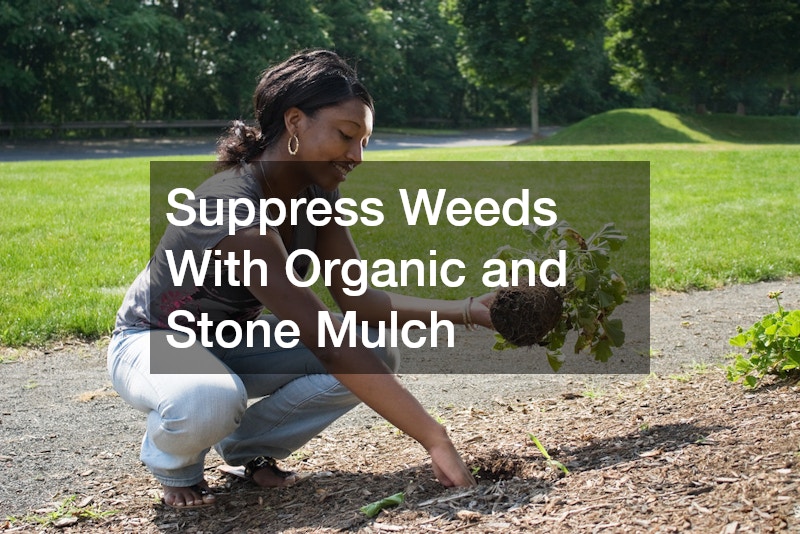
Bare soil is an open invitation for windblown weed seeds to take root. Uncovered dirt also bakes under the sun, rapidly losing moisture and forming a hard crust that repels rainwater. Covering open ground with dense layers of protective material is essential for stopping weeds and keeping plant roots healthy.
Layer Heavy Mulch to Lock in Moisture and Block Weed Seeds
Applying a thick layer of organic mulch across garden beds creates a physical barrier that prevents sunlight from reaching weed seeds, stopping germination before it starts. As organic mulches decompose over time, they feed beneficial microbes in the soil, improving earthworm activity and soil texture naturally.
- Target Depth: Maintain a layer 3 to 4 inches deep across all exposed planting beds.
- Material Selection: Shredded bark, cedar chips, or pine needles interlock tightly, preventing washouts during heavy rainstorms while suppressing weed growth.
- Proper Placement: Keep mulch pulled back two inches from plant stems and tree trunks to prevent moisture buildup that could cause fungal bark rot.
Select Weather-Resistant Aggregates for High-Traffic Pathways
For high-traffic footpaths, side yards, or storage areas where plants struggle to grow, natural stone aggregates offer a permanent ground cover solution. Incorporating gravel, pea stone, crushed slate, or river rock as a hardscape material creates a clean, textured surface that drains rain instantly without turning into mud. Underlaying these areas with heavy-duty woven landscape fabric keeps soil from mixing into the rock while blocking root establishment from beneath. These pathways require nothing more than an occasional sweep or leaf blowing to remain looking fresh year after year.
In addition to their practicality, natural stone aggregates provide an aesthetically pleasing option that can complement a variety of landscaping styles. The diverse colors and textures of the stones can enhance the visual appeal of your outdoor spaces, allowing you to create unique designs or patterns. Furthermore, using these materials can help to reduce maintenance efforts, as they do not require mowing or extensive upkeep like traditional lawns. This makes them an excellent choice for homeowners looking to minimize their landscaping tasks while still enjoying a beautiful and functional yard.
Reclaim Your Weekends
Transforming a high-maintenance yard into a low-upkeep oasis does not happen overnight, but every step you take yields exponential returns in reclaimed time and peace of mind. By systematically shrinking the size of your lawn, investing in long-lasting hardscaping, planting resilient native species, and protecting your property’s boundaries with durable materials, you build an outdoor space designed to thrive naturally.
Start small by picking one high-effort zone in your yard to convert this season. Whether you replace a troublesome section of turf with a stone patio, swap out high-maintenance plants for native perennials, or set up an automated drip irrigation system, each upgrade moves you closer to the ultimate goal: an outdoor space that serves you, rather than a yard that demands your continuous labor.