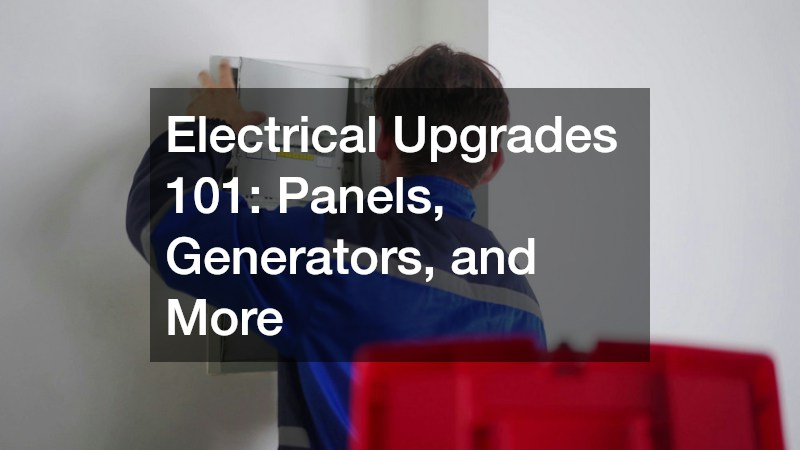

In today’s fast-paced world, characterized by rapid technological advancements and an ever-growing reliance on electronic devices, it is crucial for both homeowners and business operators to remain up-to-date with the latest advancements in technology. This not only helps in improving efficiency and convenience but also plays a vital role in adhering to strict safety standards set forth by regulatory bodies. Therefore, ensuring that your electrical systems are modernized and compliant with these standards is of paramount importance. One of the most significant aspects of this modernization process involves electrical upgrades. From enhancing the capability and reliability of your electrical panel to investing in backup generators, each upgrade plays a critical role in achieving a holistic improvement in your property’s electrical infrastructure.
In this comprehensive article, we will explore the significance and necessity of electrical panel upgrades and the installation of generators, as well as delve into various other crucial upgrades. By providing insightful information and practical guidance, this article aims to equip you with the knowledge needed to make informed decisions regarding the enhancement of your property’s electrical systems. With a focus on ensuring safety, increasing efficiency, and future-proofing your home or business, we will offer an in-depth understanding of why these upgrades are not just beneficial but essential in our modern technology-driven era.

1. Why Should You Consider an Electrical Panel Upgrade?
1.1 Benefits of Upgrading Your Electrical Panel
An electrical panel upgrade can significantly enhance the functionality and safety of your home or business. It ensures that the electrical system can handle increased demands for power without tripping circuit breakers or causing electrical fires. Modern electrical panels also improve resale value by providing peace of mind to potential buyers concerned with outdated wiring.
1.2 Indicators That It’s Time for an Upgrade
Signs that indicate a need for an electrical panel upgrade include frequently tripped breakers, buzzing sounds from the panel, and flickering lights. Additionally, if your electrical panel is over 25 years old, it likely doesn’t meet current safety standards and could be unsafe. Upgrading improves overall efficiency, supporting heavier energy loads from new-age appliances and electronic devices.
2. How to Find Certified Electricians for Your Upgrade?
2.1 Qualifications to Look For
When searching for certified electricians, it’s vital to check their licensing, insurance, and certifications, ensuring they’re authorized to work in your area. A certified electrician provides assurance of quality and adherence to safety regulations, which is crucial for any electrical upgrade. Verifying work experience and specialization in electrical panel upgrades can further guide your selection process.
2.2 Questions to Ask Potential Electricians
Asking the right questions can significantly impact the success of your electrical upgrade project. Inquire about previous projects similar to yours, the approach to unforeseen problems, and how they maintain compliance with local codes. These questions not only gauge technical ability but also the professionalism and reliability of the electrician.
3. What is the Role of an Electrician in Home Electrical Upgrades?
3.1 Essential Tasks Performed by Electricians
An electrician plays a pivotal role in executing safe and efficient electrical upgrades. They assess the current system, diagnose issues, and recommend necessary upgrades such as replacing worn-out wiring or installing new panels. Their expertise ensures that installation techniques minimize risk and optimize performance.
3.2 How They Ensure Safety and Compliance
To ensure safety during electrical upgrades, electricians adhere to stringent local and national electrical codes. They carry out inspections before, during, and after upgrades to verify compliance and performance standards. Their knowledge helps prevent potential hazards, ensuring a safer living or working environment.
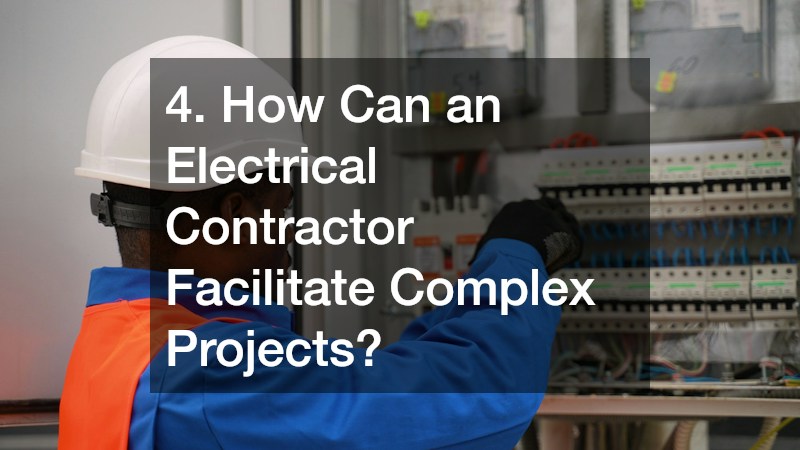
4. How Can an Electrical Contractor Facilitate Complex Projects?
4.1 Scope of Services Offered by Electrical Contractors
An electrical contractor coordinates large-scale projects, managing everything from design to installation. They provide comprehensive services that include permitting, labor management, and equipment procurement, simplifying complex electrical tasks. With their experience, electrical contractors ensure projects stay on schedule and within budget.
4.2 Choosing the Right Contractor for Large Projects
Choosing the right electrical contractor involves vetting their reputation, past project success, and customer testimonials. It’s important to confirm their expertise aligns with your project’s specific needs, especially when handling intricate upgrades like smart home automation or extensive wiring overhauls. Securing a qualified contractor directly influences the efficiency and safety of the completed project.
5. What is Wire Recycling and Why is it Important?
5.1 The Environmental Impact of Wire Recycling
Wire recycling plays a crucial role in minimizing environmental harm by reducing waste in landfills and conserving raw materials. The recycling process involves reclaiming copper and other metals used in electrical wiring, which can be reused in new products. This not only supports sustainable practices but also decreases the environmental footprint of electrical upgrades.
5.2 How to Properly Recycle Electrical Wires
Proper wire recycling requires separating wires by type and removing any insulation or attachments. It’s crucial to contact certified recycling centers that handle e-waste and electrical components, ensuring materials are processed correctly. Following established guidelines minimizes contamination, promoting a cleaner and healthier environment.
6. What Does Generator Service Entail?
6.1 Routine Maintenance Tasks
Generator service involves regular maintenance to ensure reliability and longevity, including oil changes, filter replacements, and battery inspections. Scheduled maintenance checks prevent unexpected breakdowns, ensuring backup power is available when required. Proper servicing by skilled electricians also extends the generator’s operational life and efficiency.
6.2 Troubleshooting Common Generator Issues
Common generator problems include fuel supply issues, battery failures, and improper load management. Troubleshooting involves diagnostic testing and addressing the root cause to prevent future malfunctions. Engaging a certified electrician can help identify solutions and enhance generator performance.
7. How Do Generators Enhance Home and Business Security?
7.1 Types of Generators and Their Uses
Generators come in various types, each suited to different applications, from portable models for home use to standby units for businesses. They provide essential backup power during outages, maintaining security systems, lighting, and essential appliances or machinery. Choosing the right generator type can significantly enhance security and continuity.
7.2 Installing Generators for Maximum Efficiency
Installing generators efficiently requires correct sizing and professional setup to meet specific power requirements. Certified electricians ensure proper installation, optimizing fuel consumption and minimizing risks like carbon monoxide leakage. Effective installation guarantees seamless integration with your property’s existing electrical infrastructure.
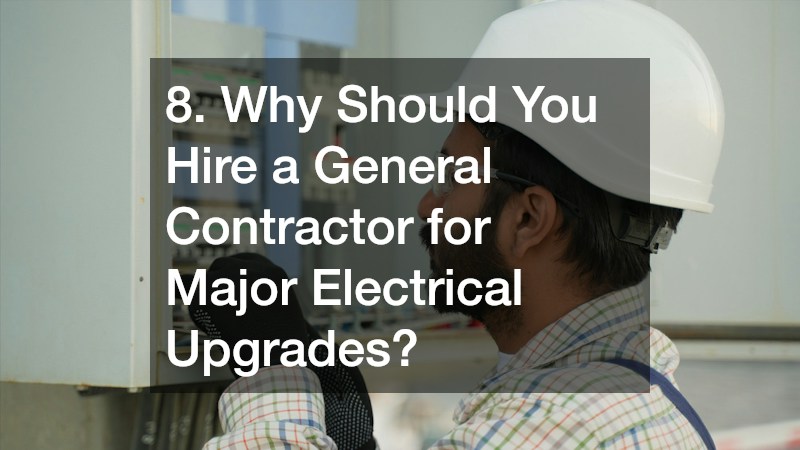
8. Why Should You Hire a General Contractor for Major Electrical Upgrades?
8.1 Benefits of a General Contractor Overseeing Electrical Work
A general contractor provides comprehensive oversight, coordinating various trades and ensuring all work meets quality standards. They streamline workflow, prevent miscommunication among tradesmen, and adhere to project timelines. Hiring a general contractor can lead to improved efficiency and successful completion of major electrical upgrades.
8.2 Coordinating Between Various Tradesmen
General contractors facilitate effective communication and scheduling among electricians, carpenters, and other trades involved in upgrades. Their role is pivotal in ensuring that each phase of the project flows seamlessly into the next, avoiding costly delays. By managing the entire scope, they ensure compliance and quality across all tasks.
9. How Do Electric Gates Increase Property Security and Convenience?
9.1 Types of Electric Gates Available
Electric gates come in diverse forms such as sliding, swing, and bi-fold gates, catering to specific security requirements and aesthetic preferences. They provide enhanced security by controlling access to your property, deterring unauthorized entry. Selecting the appropriate type aligns security needs with desired convenience and property layout.
9.2 Installation and Maintenance Considerations
Proper installation by certified electricians is essential to the smooth operation and longevity of electric gates. Routine maintenance, including lubricating mechanical parts and checking control systems, prevents malfunctions and ensures reliability. Regular inspections by professionals also ensure the gate system complies with safety standards.
10. What is Infrared Testing and When is it Useful?
10.1 How Infrared Testing Detects Electrical Issues
Infrared testing uses thermal imaging to detect heat anomalies in electrical systems that indicate potential malfunctions. It’s a valuable diagnostic tool that identifies overheating components before they fail. By catching these issues early, infrared testing can prevent costly repairs and enhance overall system reliability.
10.2 Applications of Infrared Testing in Preventive Maintenance
Infrared testing is invaluable in preventive maintenance, allowing electricians to proactively address concerns and prevent interruptions. Regular scanning identifies circuit overloads, poor connections, and insulation failures. Incorporating infrared testing into maintenance routines minimizes risk, enhances safety, and increases longevity of electrical components.
11. How to Plan and Budget for Electrical Upgrades?
11.1 Setting a Realistic Budget
Setting a realistic budget for electrical upgrades involves understanding the scope of work and estimating associated costs for materials and labor. It’s crucial to include contingencies for unexpected expenses, ensuring financial preparedness. A detailed plan with input from certified electricians can prevent budget overruns while achieving desired upgrades.
11.2 Prioritizing Upgrades Based on Need and Cost
Prioritizing electrical upgrades involves assessing immediate needs, such as safety issues, versus enhancements like automation or efficiency improvements. Ranking projects based on urgency and budget constraints aids in resource allocation and feasibility. Engaging with a general contractor can provide strategic insight to maximize investment impact.
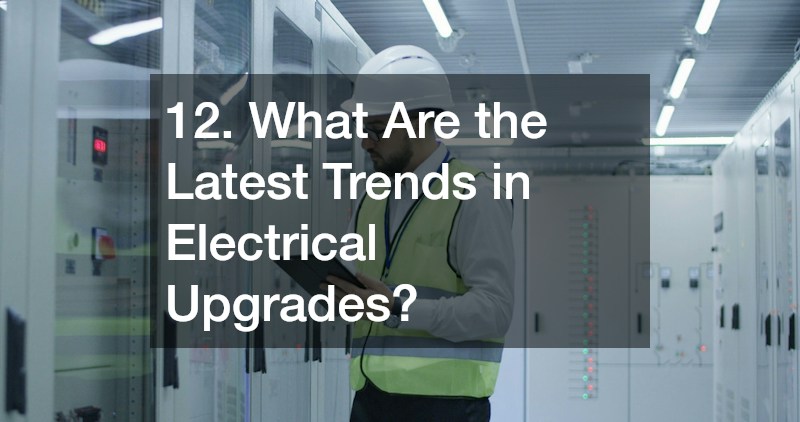
12. What Are the Latest Trends in Electrical Upgrades?
12.1 Smart Home Innovations
Smart home innovations continue to influence modern electrical upgrades, providing enhanced control over lighting, climate, and security systems. Integration with voice-activated assistants and mobile apps offers increased convenience and energy management. Staying abreast of these trends enables homeowners to modernize and enjoy streamlined operations.
12.2 Energy Efficiency Trends
Developments in energy efficiency focus on reducing consumption through advanced appliances, LED lighting, and efficient HVAC systems. Upgrading systems to incorporate renewable energy sources and battery storage further minimizes environmental impact. Embracing energy efficiency trends can result in significant cost savings and improved sustainability.
13. How to Ensure Compliance with Electrical Code Regulations?
13.1 Importance of Adhering to Electrical Codes
Adhering to electrical codes is critical for ensuring safety and legality in all electrical work. These standards govern installation practices, material specifications, and procedural protocols to prevent electrical hazards. Compliance with codes protects property owners from liability and potential penalties.
13.2 Navigating Permits and Inspections
Understanding the permitting and inspection process is essential for complying with local electrical regulations. Obtaining necessary permits before commencing work and cooperating with inspectors helps ensure orderly progression of the upgrade. Certified electricians and contractors assist in navigating these procedures, ensuring adherence to requisite standards.
Conclusion
Electrical upgrades encompass a wide array of projects that can significantly enhance the safety, efficiency, and convenience of our living and working environments. These upgrades aren’t just about minor tweaks or superficial changes; rather, they involve comprehensive enhancements that cater to the evolving technological landscape and the increasing demands of modern living. By upgrading electrical panels, for instance, homeowners can ensure a steady and reliable flow of electricity, reducing the risk of circuitry overloads that could potentially lead to dangerous situations like electrical fires.
Moreover, the integration of modern technologies into electrical systems represents a pivotal aspect of these upgrades. With the advent of smart home devices and the ever-growing presence of electronic gadgets, the electrical infrastructure must be robust enough to support such advancements efficiently. Upgrades, such as installing USB outlets or smart switches, can offer unparalleled convenience, allowing users to control their devices with a simple voice command or a tap on their smartphones, thus manifesting a seamless blend of technology and daily living.
The benefits of undertaking electrical upgrades are largely long-term, as they not only enhance the comfort and functionality of spaces but also substantially increase property values. Homeowners who invest in these upgrades are likely to see a return on investment when it comes time to sell, as potential buyers are drawn to homes with modern, efficient, and safe electrical systems.
A crucial element in successfully implementing electrical upgrades is staying informed about the latest trends and technologies, as well as working closely with certified professionals. This not only helps avoid costly mistakes but also ensures that all upgrades are compliant with current regulatory standards. Such compliance is vital for both legal reasons and personal safety, as it assures that all installations are performed correctly and will not pose hazards down the line.
In conclusion, by embracing electrical upgrades, individuals are proactively safeguarding their investments and enhancing their well-being through improved safety measures and enhanced living conditions. It’s a harmonious interplay between embracing innovation and adhering to established safety protocols, ultimately fostering a future-ready environment.