

When temperatures drop, keeping your home warm becomes a priority. Cold weather can expose weaknesses in your heating system, insulation, windows, and other parts of your home, making it harder to maintain comfortable indoor temperatures. Preparing for winter with thoughtful upgrades can help your household stay cozy, improve energy efficiency, and reduce the risk of unexpected equipment problems during the coldest months. By focusing on heating performance, air circulation, and heat retention, homeowners can create a more comfortable living environment throughout the season.

Evaluate Your Home’s Heating Performance Before Winter
A comfortable winter starts with understanding how well your home retains heat and how effectively your heating equipment distributes warmth. Rooms that remain chilly despite a running furnace, uneven temperatures between floors, or heating cycles that seem unusually frequent may indicate underlying issues. These problems can affect comfort and contribute to higher energy bills when the system works harder to meet your thermostat settings.
Scheduling professional HVAC service before winter weather arrives can help identify developing concerns and establish whether your current equipment is operating as expected. A qualified technician can evaluate system performance, inspect important components, and identify issues that may interfere with reliable heating. Addressing these concerns early gives homeowners more time to consider appropriate improvements instead of scrambling for solutions during a cold snap.
It’s also helpful to review your household’s heating needs. Changes such as a finished basement, a recent addition, or new occupants can affect how much warmth your home requires. An older system that once worked well may struggle to heat an expanded living area evenly. A professional assessment can help determine whether maintenance, targeted heating repairs, or a larger upgrade makes the most sense for your property.
Upgrade Aging Heating Equipment for Reliable Warmth
Heating equipment becomes less dependable as it ages, particularly when components experience years of regular use. An older furnace or boiler may require increasingly frequent attention, struggle to maintain consistent temperatures, or consume more energy than a newer, appropriately sized system. Although age alone does not mean replacement is necessary, a pattern of declining performance can indicate that it is time to evaluate available options.
Working with a reputable heating company can help you compare equipment choices based on your home’s layout, heating requirements, and budget. Modern systems offer different efficiency levels and operating features, so selecting equipment involves more than choosing the model with the highest advertised rating. Proper sizing, installation quality, and compatibility with existing ductwork can all influence long-term performance.
Homeowners should also consider the system’s expected operating life, repair history, and current energy costs. Replacing an aging unit before it fails completely may provide greater scheduling flexibility and reduce the inconvenience of losing heat during freezing weather. A professional can explain the advantages and limitations of different systems, helping you choose an upgrade that supports dependable comfort for years to come.
Schedule Preventive Inspections to Catch Problems Early
Small heating problems can become more disruptive when equipment operates continuously during winter. Worn components, restricted airflow, electrical concerns, and ignition issues may initially produce subtle symptoms. Without attention, some of these problems can eventually interfere with system performance or cause a complete shutdown when outdoor temperatures are especially low.
Professional heating inspections provide an opportunity to evaluate equipment condition before winter places additional demands on the system. Depending on the equipment, a technician may examine electrical connections, controls, burners, safety devices, ventilation, and other components. The exact inspection process varies by system type, but the goal is to identify concerns that could affect reliable operation and determine whether corrective work is needed.
Routine evaluations can also help homeowners understand which components may need attention in the future. This information supports more informed budgeting and reduces the likelihood of being surprised by an avoidable equipment problem. Although an inspection cannot guarantee that a system will never fail, it can help reveal developing issues and provide greater confidence that the heating equipment is prepared for seasonal demands.
Improve Energy Efficiency With a Modern Thermostat
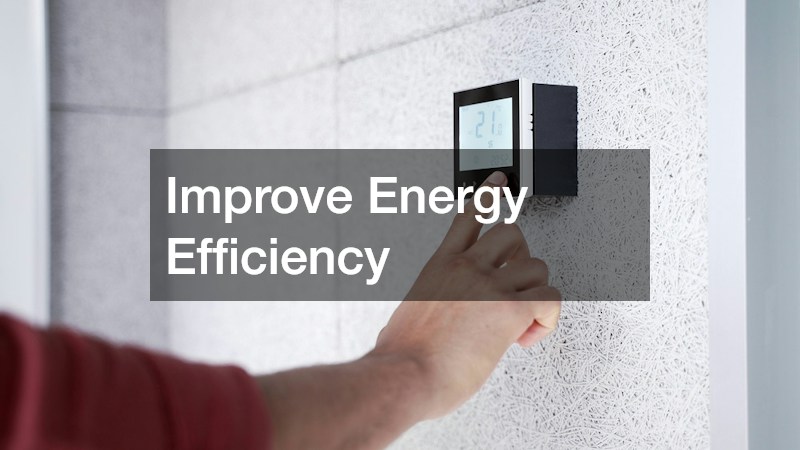
A thermostat plays an important role in how your home uses energy throughout winter. Older controls may offer limited scheduling options, while programmable and smart models can provide greater flexibility for households with changing daily routines. These devices allow users to adjust temperature settings according to when rooms are occupied, helping avoid unnecessary heating when the home is empty or everyone is asleep.
Smart thermostats may offer features such as remote adjustments, customized schedules, energy-use reports, and learning functions. These capabilities can make it easier to establish consistent heating habits without repeatedly changing settings throughout the day. However, compatibility matters. Some heating systems require specific thermostat types, and certain advanced features may not work with every furnace, boiler, or heat pump.
Before purchasing a new control, confirm that it supports your existing equipment and household requirements. Professional installation by an HVAC company may be worthwhile when wiring is complicated or the heating system has specialized controls. Once installed, use reasonable temperature settings and avoid frequent dramatic adjustments. A well-configured thermostat can complement other efficiency improvements, but its benefits depend on the equipment, home characteristics, and way the household uses it.
Seal Air Leaks and Strengthen Home Insulation
Even a dependable heating system can struggle to maintain comfortable temperatures when warm indoor air escapes through gaps around windows, exterior doors, attic openings, and utility penetrations. Cold air entering through these openings can create drafts and make certain rooms uncomfortable. The resulting heat loss may also cause the heating system to run longer as it attempts to maintain the desired indoor temperature.
Improving insulation and sealing appropriate gaps can help your home retain warmth more effectively. Attics deserve particular attention because heat can escape through the upper portion of a building when insulation is insufficient or unevenly distributed. Exterior walls, crawl spaces, basements, and areas surrounding windows may also contribute to heat loss, depending on the home’s construction and condition.
Weatherstripping, suitable caulking, and professional insulation improvements can address many common sources of unwanted air movement. However, air sealing should be planned carefully because homes still need appropriate ventilation to maintain indoor air quality and control moisture. Combustion appliances also require proper ventilation and safe operating conditions. A qualified building professional can help determine which improvements are appropriate without compromising household safety.
Consider a Heat Pump for Efficient Indoor Comfort
Heating technology has expanded beyond traditional furnaces and boilers, giving homeowners additional options for maintaining comfortable indoor temperatures. Heat pumps transfer heat rather than generating it through conventional combustion or electric resistance alone. Depending on the equipment and outdoor conditions, this process can provide efficient heating while also offering cooling during warmer months.
A heat pump mini split system can be especially useful in homes where extending existing ductwork is difficult or where particular rooms need more consistent temperature control. These systems typically connect an outdoor unit to one or more indoor units, allowing homeowners to heat designated spaces without installing a complete network of ducts. They may suit additions, converted garages, finished attics, and other areas that have different heating requirements from the rest of the property.
Cold-climate models are designed to provide heating in lower outdoor temperatures, although their performance varies by equipment and weather conditions. Factors such as insulation, room size, layout, and the local climate influence system selection. Some households may benefit from using a heat pump alongside existing heating equipment, while others may consider a broader transition. A professional evaluation can help establish which configuration offers the most practical balance of comfort, operating cost, and performance.
Address Uneven Temperatures Throughout Your Home
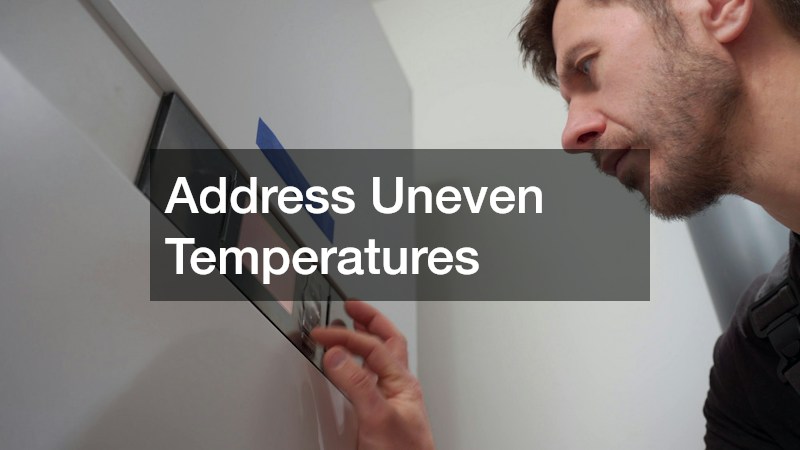
Uneven heating can make winter uncomfortable even when the main heating system appears to function normally. A bedroom may feel cold while the living room becomes too warm, or upper floors may experience different temperatures from lower levels. These differences can result from poor insulation, air leakage, blocked registers, ductwork problems, or a system that does not adequately match the home’s layout.
Experienced heating contractors can assess these conditions and determine whether the underlying cause involves airflow, equipment capacity, distribution, or heat loss. In some homes, improving insulation or correcting duct restrictions may resolve the issue. Other properties may benefit from changes to the distribution system or the addition of independent temperature controls in frequently uncomfortable rooms.
Before committing to a major upgrade, homeowners should understand why the temperature differences occur. Simply increasing the thermostat setting may overheat rooms that are already comfortable without solving the underlying problem. A targeted assessment can help identify improvements that make better use of existing equipment and reduce unnecessary energy consumption. The best solution depends on the home’s construction and the specific conditions affecting each space.
Keep Ductwork Clean and Airflow Unobstructed
In homes with forced-air heating, ductwork distributes warmed air from the heating equipment to individual rooms. Dust, debris, damaged connections, and obstructions can affect how air moves through the system. While ordinary dust accumulation does not automatically mean that ducts require professional cleaning, certain conditions may justify a closer evaluation, especially when visible contamination or persistent airflow problems are present.
Professional duct cleaning may be appropriate when ducts contain substantial dust or debris, when mold contamination has been confirmed and its moisture source addressed, or when construction work has left significant material inside the system. A reputable provider should explain the observed conditions and the proposed work rather than promise that cleaning will solve every heating or indoor air quality concern.
Homeowners can also pay attention to accessible air registers and returns. Furniture, rugs, curtains, and stored belongings should not block these openings, since restricted airflow may interfere with even heating. Replacing the system’s air filter according to its specifications and checking it regularly during heavy use can also help maintain airflow. Filter requirements vary, so choose a compatible product that does not impose excessive resistance on the equipment.
Explore Heating Solutions for Homes Without Ductwork
Older houses, converted buildings, and room additions do not always have ductwork suitable for central heating. Installing new ducts can require significant changes to walls, ceilings, and floors, making that approach impractical for some properties. Homeowners in these situations may benefit from exploring heating technologies that can deliver warmth directly to the spaces where it is needed.
Ductless systems provide an alternative by using indoor units connected to an outdoor heat pump. They can be useful for heating individual rooms or creating separate temperature zones, which may be particularly appealing when different household members prefer different comfort settings. Because the equipment does not rely on a conventional duct network, it can also reduce heat losses associated with poorly insulated or leaky ducts.
Professional ductless mini split installation begins with evaluating the home’s layout, electrical capacity, insulation, and heating demands. The number and placement of indoor units influence how effectively the system distributes warmth, while proper refrigerant line installation and drainage are essential to dependable operation. Homeowners should discuss noise levels, filter maintenance, equipment appearance, and expected performance in local winter conditions before choosing a system. Careful planning helps ensure that the new equipment suits the property rather than simply fitting the available wall space.
Maintain Indoor Air Quality While Keeping Heat Inside
During winter, households often keep windows and exterior doors closed for long periods to preserve indoor warmth. Although this reduces unwanted heat loss, it can also limit natural air exchange. Cooking, cleaning products, household activities, and moisture from showers can affect indoor air quality, especially when ventilation is inadequate.
A balanced winter comfort strategy considers both heat retention and appropriate ventilation. Bathroom exhaust fans can help remove excess moisture, while kitchen ventilation can reduce cooking-related pollutants. In homes with combustion heating equipment, properly maintained ventilation and carbon monoxide protection are particularly important. Carbon monoxide is an odorless, potentially deadly gas, so working carbon monoxide alarms should be installed according to applicable guidance and kept in good condition.
Homeowners may also consider ventilation improvements when undertaking larger insulation and air-sealing projects. A tightly sealed home still needs an appropriate supply of fresh air, and some properties may benefit from mechanical ventilation designed to recover heat from outgoing air. The right approach depends on the building, existing equipment, and indoor conditions. Addressing ventilation alongside insulation with the help of local HVAC companies helps preserve comfort without overlooking the importance of healthy indoor air.
With a practical winter preparation plan, homeowners can approach the colder months with greater confidence. Investing in dependable heating, efficient heat retention, and appropriate indoor air quality measures supports a warmer home while helping control energy use. Taking these steps before the coldest days arrive can make comfort a more reliable part of your winter routine.